

Managing personal and family health requires consistent engagement with healthcare professionals, yet traditional healthcare delivery models often create unintentional friction for patients. Long commute times, rigid scheduling, and geographic distance from reputable clinics frequently lead individuals to postpone routine checkups or delay treatment for minor ailments. In response to these challenges, modern medical organizations have increasingly adopted regional healthcare distribution networks. Understanding the convenience of multi-location primary care has become a vital component of maintaining long-term wellness in today’s fast-paced environment.
When primary care centers expand their physical footprint across adjacent communities, they eliminate common logistical barriers that prevent patients from seeking timely medical attention. A multi-site healthcare structure ensures that high-quality preventative services, diagnostic screenings, and routine illness management remain easily accessible regardless of where a patient lives, works, or travels during the week. This decentralized approach fundamentally shifts primary medicine from a reactive burden into a seamless, proactive lifestyle habit.
Understanding The Convenience of Multi-Location Primary Care
Primary care serves as the foundational cornerstone of the modern healthcare system. It is the initial line of defense against chronic disease, acute illness, and age-related physical decline. However, when a primary care practice operates out of a single, distant facility, patients are forced to organize their personal and professional schedules around travel to that specific site. This limitation frequently results in missed appointments, delayed lab work, and inconsistent follow-up consultations.
In contrast, healthcare networks designed with multiple clinical locations create a flexible medical safety net. Patients benefit from standardized clinical protocols, shared diagnostic facilities, and unified patient record systems across every branch. Recognizing the convenience of multi-location primary care allows individuals to schedule visits based on immediate geographic preference rather than being locked into a single physical building.
Overcoming Travel Friction and Logistical Barriers in Modern Healthcare
 Geographic proximity plays a decisive role in health outcomes. Research in health administration repeatedly shows that the further a patient must travel to see a primary care provider, the less likely they are to attend annual preventative checkups. Traffic congestion, public transit limitations, and long driving distances represent real friction points that discourage patients from prioritizing routine health maintenance.
By placing community-focused clinics across strategic geographic hubs, healthcare organizations significantly reduce commute stress. A patient living in one town and working in another can easily visit a network clinic during a lunch break or immediately after work without adding hours to their daily travel time. This geographic density directly correlates with higher patient retention, improved routine screening compliance, and early detection of manageable conditions.
Furthermore, local clinical branches help alleviate overcrowding at central emergency departments and major regional hospitals. When patients know they can access non-emergency preventative care or urgent evaluations nearby, they are far less likely to wait until an illness escalates into a emergency room scenario. This distributed care framework strengthens public health resilience across entire municipal regions.
Continuity of Care Through Centralized Health Records
A primary concern patients often express regarding multi-location healthcare systems is whether their medical history will follow them seamlessly from site to site. In legacy medical models, visiting a secondary location meant filling out redundant paperwork, repeating medical histories, and running the risk of misaligned treatment recommendations.
Modern multi-location networks solve this problem through unified, cloud-based Electronic Health Record (EHR) systems. When you visit any clinic within an integrated network, attending physicians, nurse practitioners, and physical therapists instantly access your complete health history. This interconnected infrastructure ensures safe, precise, and continuous medical oversight regardless of which facility you enter.
- Elimination of Redundant Testing: Centralized records ensure lab results and diagnostic imaging performed at one facility are immediately visible at all sister locations, avoiding unnecessary repeat procedures.
- Standardized Treatment Plans: Clinical teams share real-time updates regarding medication changes, chronic care plans, and rehabilitation progress.
- Simplified Scheduling: Central administration platforms allow patients to book, reschedule, or transfer appointments between locations with a single phone call or online portal interaction.
- Consistent Quality of Care: Regional networks enforce uniform clinical protocols across all branches, guaranteeing a predictable and high standard of care everywhere.
This seamless digital integration reinforces the convenience of multi-location primary care by ensuring your personal medical history remains intact, secured, and updated across the entire clinical network.
Adapting Healthcare Delivery to Busy Work and Family Schedules
Modern family structures and professional schedules are more dynamic than ever. Balancing career responsibilities, childcare duties, and eldercare management leaves little room for inflexible medical appointments. Multi-location primary care networks adapt to these modern realities by offering dynamic scheduling options tailored to daily human routines.
Reduced Commute Stress and Travel Time
Positioning clinical centers in accessible suburban and urban centers minimizes travel distances for patients. Spending less time in transit makes fitting medical checkups into busy weekly calendars far more achievable for working adults and families.
Seamless Transitions Between Worksite and Neighborhood Locations
Working professionals often find it difficult to schedule medical visits near their homes during normal business hours. Multi-location networks allow individuals to schedule morning lab work near their place of employment and conduct follow-up consultations at a location closer to home on weekends.
Unified Access to Multi-Disciplinary Services
Expanded clinical networks often co-locate complementary health disciplines alongside primary care. Patients can coordinate primary care checkups, physical therapy sessions, or workplace health screenings within the same regional ecosystem, eliminating the need to coordinate with multiple independent medical groups.
Ultimately, appreciating the convenience of multi-location primary care involves recognizing that healthcare should adapt to the patient’s lifestyle, not the other way around. Flexible access points empower individuals to stay actively engaged in their health management long-term.
Everest Medical Group: Multi-Location Healthcare Across Pennsylvania
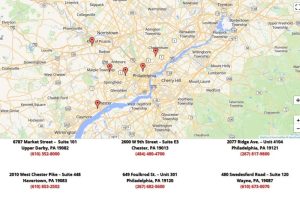
At Everest Medical Group, we put the principles of accessible, community-based medicine into practice every day. We understand that finding reliable, high-quality medical care close to home or work is essential for long-term health. To support the diverse communities of Pennsylvania, we have established multiple modern healthcare centers strategically located throughout the region, including facilities in Chester, Havertown, Upper Darby, Philadelphia, and Wayne.
Our multi-location network brings the convenience of multi-location primary care directly to local neighborhoods, providing a complete range of comprehensive medical and wellness services seven days a week. Whether you are seeking a routine checkup or specialized care, our connected network ensures exceptional clinical support across all our regional branches.
Our integrated services across our Pennsylvania facilities include:
- Primary Care: Comprehensive preventative health checkups, chronic disease management, and individualized wellness planning.
- Physical Therapy: Dedicated rehabilitation, mobility recovery, and targeted pain relief programs delivered by licensed therapists.
- Urgent Care: Prompt evaluation and treatment for acute illnesses and non-life-threatening injuries when you need immediate attention.
- Alternative Medicine: Integrative wellness strategies and holistic consultations designed to complement traditional treatment protocols.
- Senior Care: Tailored medical services focusing on healthy aging, mobility preservation, and specialized care management for older adults.
- Workplace Health: Occupational medicine, pre-employment physicals, return-to-work assessments, and employer wellness programs.
- Medspa: Advanced non-surgical aesthetic procedures and skin health rejuvenation treatments performed in a professional medical setting.
- IV Infusion: Specialized hydration, vitamin, and nutrient therapies formulated to support recovery, energy levels, and immune health.
By connecting primary medical care with a broad spectrum of clinical specialties, Everest Medical Group ensures your healthcare journey is smooth, efficient, and tailored to your location. Experience the comfort of having expert clinical care nearby whenever you need it.
Schedule Your Appointment Today
Taking control of your physical health should be simple and convenient. The dedicated team at Everest Medical Group is ready to welcome you at any of our accessible Pennsylvania locations.
To learn more about our branch locations or to schedule your next visit, please connect with our office staff at your nearest location or send a direct inquiry through our official Contact Page.
Frequently Asked Questions
Why is having access to multiple clinic locations important for primary care?
Having access to multiple clinic locations provides flexibility for patients with busy schedules or changing routines. It reduces commute times by allowing individuals to choose a facility close to their home, workplace, or family activities. This accessibility encourages consistent preventative visits and reduces delayed care.
Can I visit a different network location if my primary doctor is unavailable at my usual site?
Yes. In an integrated multi-location healthcare network like Everest Medical Group, your medical records are shared securely across all sites. If your primary care physician is unavailable or if another branch offers a more convenient time slot, you can receive care at a sister location without missing a beat.
Are my medical records shared across all network locations automatically?
Yes. Network clinics utilize centralized Electronic Health Record systems. Any test results, prescription updates, or clinical notes recorded at one facility are immediately accessible to authorized healthcare providers across all sister branches within the network.
What services are typically available at multi-location primary care centers?
Integrated primary care networks often offer a wide selection of services alongside standard family medicine. These can include physical therapy, urgent care, occupational workplace health, specialized senior care, alternative medicine consultations, medspa services, and intravenous nutrient infusions.
How do I schedule an appointment at an Everest Medical Group location in Pennsylvania?
Scheduling an appointment is straightforward. You can speak directly with our clinical administrative team by contacting your nearest location. Alternatively, you can request an appointment time online by submitting a form through our Contact Page.


